
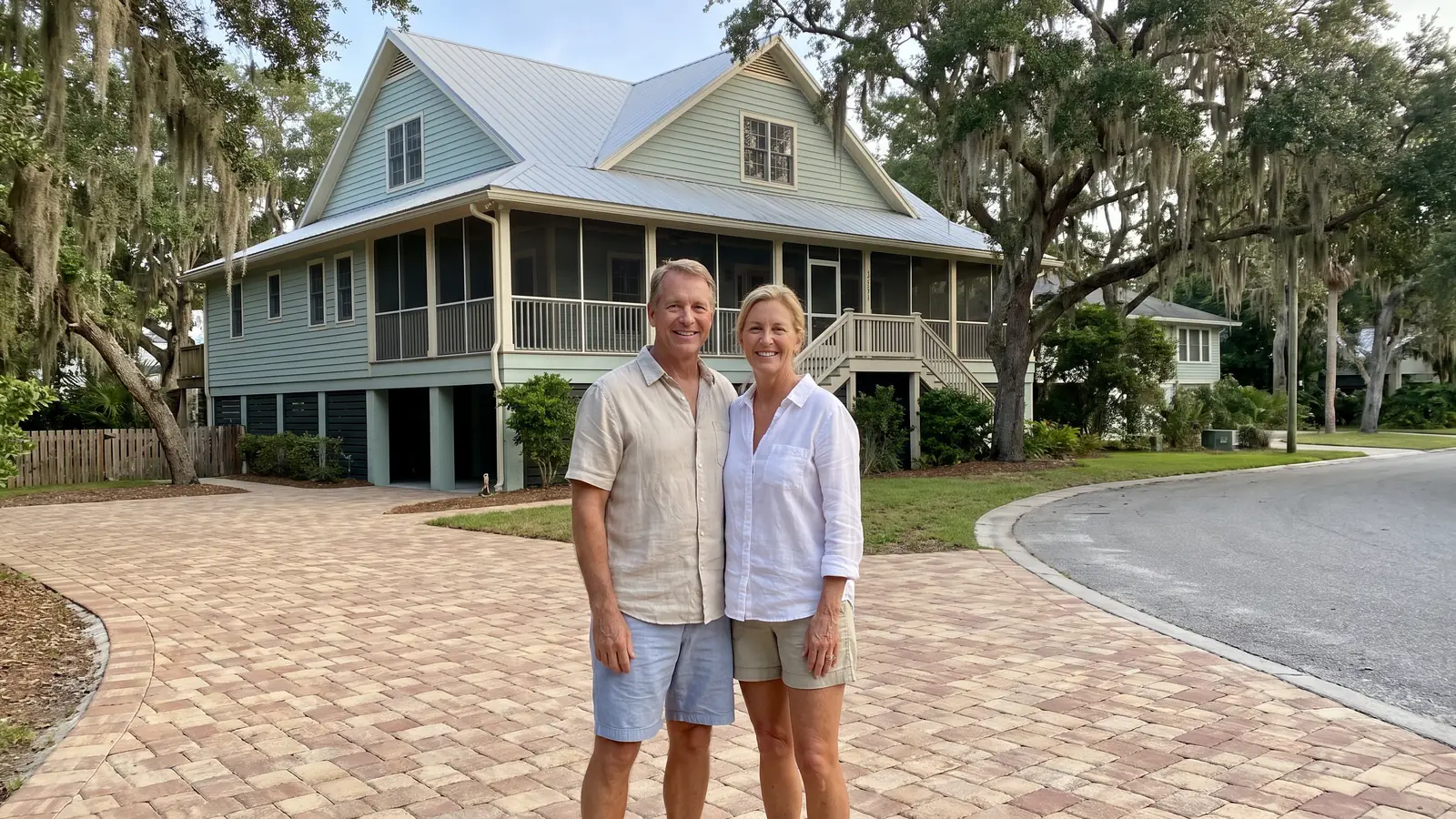
Paver sealing for Arlington homes
Paver Sealing in Arlington, FL
From Lake Lucina's 1950s streets to the creeks of Woodland Acres, Arlington pavers can look new again; call (904) 932-1301.
- Brings out deeper paver color
- Fresh joint sand helps lock pavers in place
- Gives weeds less room to grow
- Makes the surface easier to keep clean
- Free estimate, no obligation
Request a Free Estimate
Free, no obligation.
Fast, careful paver sealing in Arlington
Paver sealing is open to Arlington homeowners across ZIP 32211, from Lake Lucina to Woodland Acres, and a local contractor gives the estimate for free. Once you get a free estimate online, an Arlington homeowner can expect a reply within 1 business day, usually much sooner. You decide afterward whether to book, with no obligation.
Maybe your driveway runs downhill toward the street, and every summer storm leaves a little less sand between the pavers. Weeds fill the gaps, and the low end where water collects turns a dull, dirty gray. Once the pavers are washed, re-sanded and sealed, the joints hold tight and the color comes back. To talk it over first, call (904) 932-1301 and describe the slope and the spots that bother you.
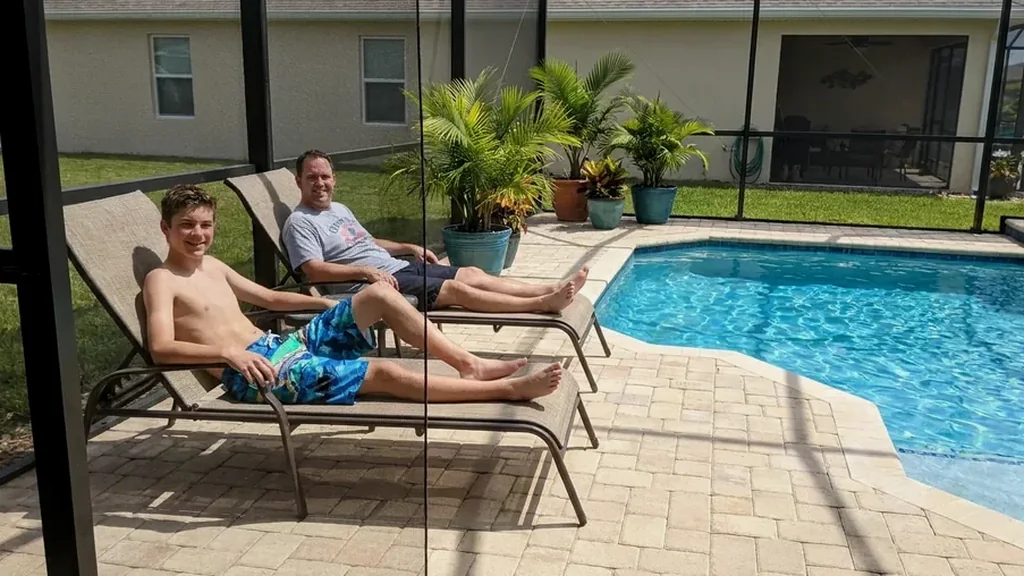
Why hire a local paver sealing contractor in Arlington?
Arlington homeowners tend to choose a contractor who knows how the hills, creeks and older yards here treat pavers. To hear how that applies to your lot, get a free estimate online.
No-charge visit
The contractor looks at your Arlington driveway, walk or patio in person and gives you a price, with nothing owed for the visit.
A range to measure bids by
First Coast companies commonly publish $1.75 to $3.25 per square foot to clean, sand and seal. Every quote can be held against it.
Slopes and creeks planned for
Sloped lots in Woodland Acres and yards near the creeks get extra attention on sand, drainage and drying time.
Your timing, your finish
You choose matte or wet look, the date and whether to go ahead. An Arlington estimate never commits you to anything.
Get Your Free Estimate in Arlington
Tell us about your pavers in Arlington.
Free, no obligation
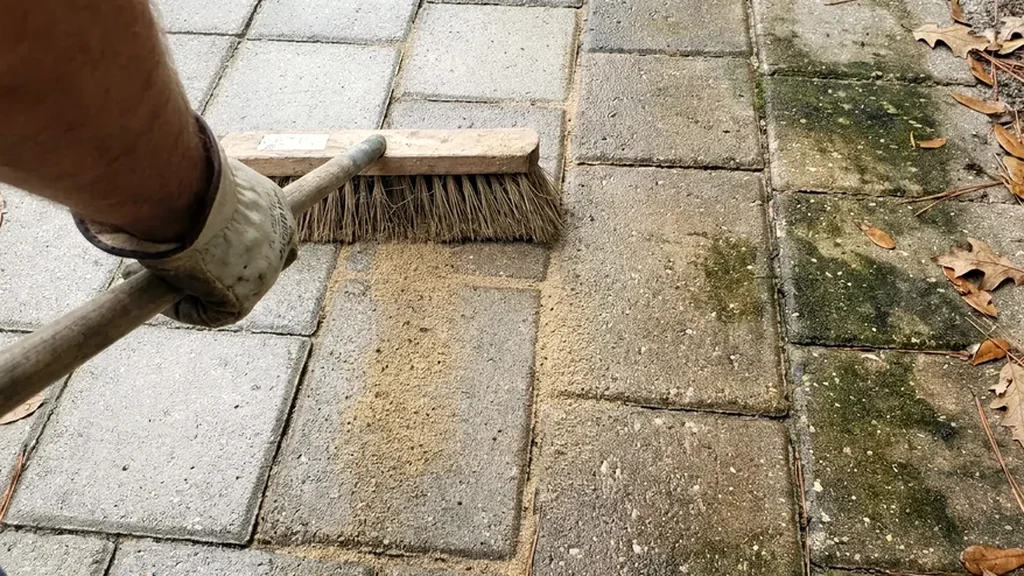
What paver problems show up most in Arlington?
Sand sliding down hilly lots
The Jaxson describes Woodland Acres as having hilly ground. On a sloped driveway, rain picks up speed and carries joint sand with it. One Jacksonville company says heavy summer rain washes sand out of unsealed joints, letting weeds root and pavers shift. The low end of the drive usually shows it first. Refilling and sealing the joints helps them hold through the next storm season.
Creek water near Pottsburg and Strawberry
Pottsburg Creek is fed mostly by rain, ponds and storm drains, so its level rises and falls fast. Strawberry and Silversmith creeks run into it, and all three wind through Woodland Acres. Pavers near a creek can stay damp after a storm and pick up silt when water spreads. Both problems have to be cleaned up before any sealer goes down. A wet surface also means waiting longer for the coat.
Fast-draining sand under the base
The USDA's Ortega soil, sand more than 80 inches deep, has its type location just east of St. Johns Bluff Road. Water moves through that kind of sand quickly, and so does joint sand when the surface stays open. Once the gaps widen, soil drifts in and gives weeds a foothold. Pavers that lose support can start to rock or sink. Those spots get fixed before sealing, not after.
Seventy years of owners and sealers
Lake Lucina homes date mostly from 1951 to 1962, with a median of 1955. Pavers out front were added later, and they may have been sealed by more than one owner since. Water-based sealer cannot go over solvent-based sealer, so the contractor needs to figure out what is there. Patchy shine, peeling or a cloudy film are all signs of an old coat that needs attention.
Green film in shaded yards
Moss and algae need heavy shade and damp pavers to take hold. A walkway on the shady side of an older Arlington house, or a patio under mature trees, fits that description. The green tends to start where the sun rarely reaches and spread outward. A thorough wash has to take all of it off first. Sealing over it would hold the stain in place for years.
Do Lake Lucina and Woodland Acres pavers need different care?
Yes, because one is defined by slope and creeks and the other by age. Woodland Acres sits on hilly land along Pottsburg, Strawberry and Silversmith creeks, so runoff and sand loss lead the list there. Lake Lucina, around Cesery Boulevard, was built out mostly in the 1950s. Say which neighborhood you live in when you get a free estimate online, and whether your drive slopes.
Lake Lucina began around 1950, when developer William Cesery bought forty acres and named the subdivision after a water hole he called Lake Lucina. Homes listed there lately were built from 1951 to 1962, and the listings show no homeowners association. That means the choice of finish is usually yours alone. Call (904) 932-1301 if you want help picking one that suits a 1950s house.
Woodland Acres goes back further on paper, platted in 1910 as Oakwood Villa Estates, but most homes went up from 1940 to 1960. The past decade brought new infill houses, including several along Hare Avenue. A brand-new paver drive and a decades-old one need different plans, so the age of yours matters. To get a plan built around your driveway, get a free estimate online.
What does paver sealing cost in Arlington?
First Coast companies commonly publish $1.75 to $3.25 per square foot to clean, sand and seal pavers. On an Arlington lot, sand lost down a slope, green film in shade and an old coat to strip push the price up. A flat, open drive in good shape tends to land lower. To see what your pavers would cost, get a free estimate online; the estimate itself is free.
Repairs and access matter too. Pavers that have sunk at the bottom of a hill need to be reset before sealing, which adds time. A small back patio reached through a side gate takes more hand work per foot than an open driveway. Call (904) 932-1301 and the contractor can walk you through what affects your total.
| Paved area | Typical example | Clean, sand and seal |
|---|---|---|
| 300 sq ft | Small patio or walkway | $525 to $975 |
| 600 sq ft | Two car driveway | $1,050 to $1,950 |
| 1,000 sq ft | Large driveway or pool deck | $1,750 to $3,250 |
| 1,500 sq ft | Driveway plus pool deck | $2,625 to $4,875 |
Math based on the $1.75 to $3.25 per square foot that Northeast Florida paver companies published as of November 2026. Your contractor sets the actual price after seeing the surface. Repairs, leveling and stripping failed sealer are usually extra.
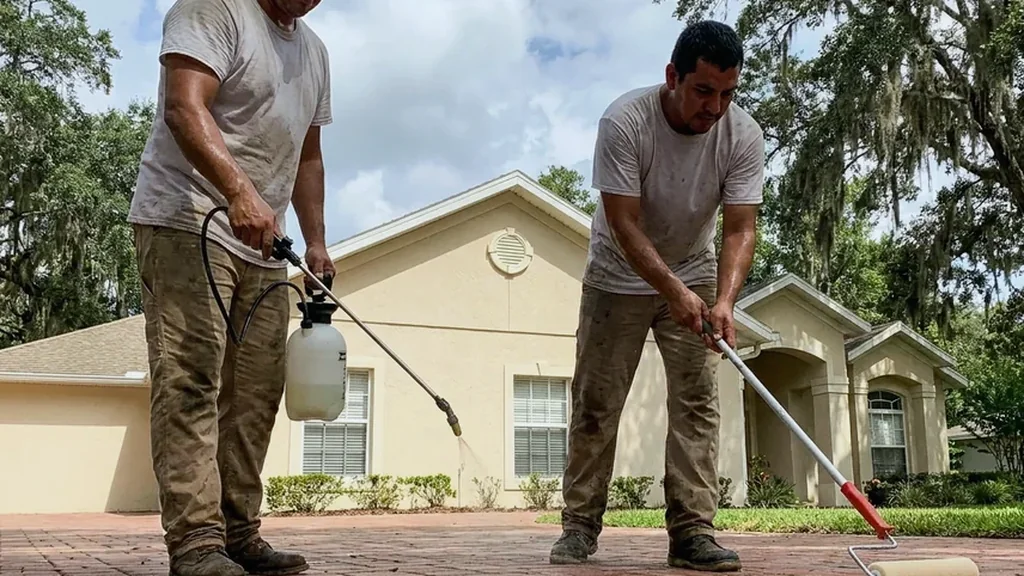
How does a paver sealing job work in Arlington?
Walk the slope and spot the low points
The contractor starts by watching how your Arlington lot sheds water, especially on a sloped Woodland Acres drive. Sunken or shifted pavers get noted, since one Jacksonville company resets them on a rebuilt base before sealing. The old sealer gets identified too, because water-based products cannot cover solvent-based ones. Any edging that has pulled away from the pavers gets checked as well.
Wash away grime and creek silt
Cleaning takes off dirt, tire marks, green film and any silt from creek water. Oil and rust stains are pre-treated at this stage so they can lighten before anything goes over them. Rinse water is steered away from brick walls, plants and the street drain. On lots near the creeks, the wash may take a second pass to clear silt.
Rebuild the joints with new sand
Washing pulls out joint sand, so new sand goes back before sealing. On a hill, the low end usually needs the most, since that is where rain carried the old sand. The joints are filled, swept and checked so none are left half empty under the coat. A sloped driveway may get a second sweep after the first rain-free night.
Wait for a dry surface
Sealer needs a dry surface, and one Jacksonville company says most coats that turn white went onto damp pavers. Shaded patios and lots near the creeks take longer to dry after a storm. A careful contractor checks the pavers and the forecast and waits if either looks wrong. After a heavy storm, that can mean waiting a full day or more.
Seal in your finish and let it cure
The sealer goes on in the finish you chose, usually sprayed and then back-rolled into the joints. One Jacksonville company says walking is usually fine within a few hours and cars should stay off about a day. Ask how many years to expect before the next coat on your driveway. Sprinklers should stay off the pavers until the contractor says the coat has cured.
Complete paver services in Arlington
An Arlington job goes in a set order: wash, re-sand, dry and seal. The wash clears grime, green film and creek silt, and fresh sand goes back into every joint. Sealer goes on last so nothing dirty is trapped under it. To ask how long each step would take on your property, call (904) 932-1301.
Driveways on sloped Woodland Acres lots lose sand at the low end and take daily tires on top of that. Patios and pool decks in shaded back yards tend to go green first. Front walks next to older brick homes need careful rinsing near the walls. Name every surface you want done when you get a free estimate online.
Sealer comes in water-based and solvent-based types, and in matte or wet look. If a past owner used solvent-based, a water-based product cannot go on top, so the old coat decides first. One Jacksonville company says driveways wear faster than patios, which matters when you weigh a shiny finish. Call (904) 932-1301 to compare the options for your Arlington home.
Jacksonville gets most of its rain from May to September, often in hard, short bursts. Lots near Pottsburg Creek and shaded patios can stay wet long after a sunny driveway has dried. November through April is the drier part of the year, which makes it easier to find dry days in a row. To find a date that works for your street, get a free estimate online.
Questions to ask before you hire
- What happens if an afternoon storm rolls in while the sealer is still wet?
- Will you clean out the old joints and fill them with fresh sand first?
- Before the job starts, can I have a copy of your insurance and the license number this work needs?
- Once the job is done, how should I reach you with a question?
- Is the price you quoted for the whole job, with the washing and sand, or are those extra?
- Should the sprinklers be off the night before, and for how long afterward?
- When do you collect payment, and do you need anything to hold my date?
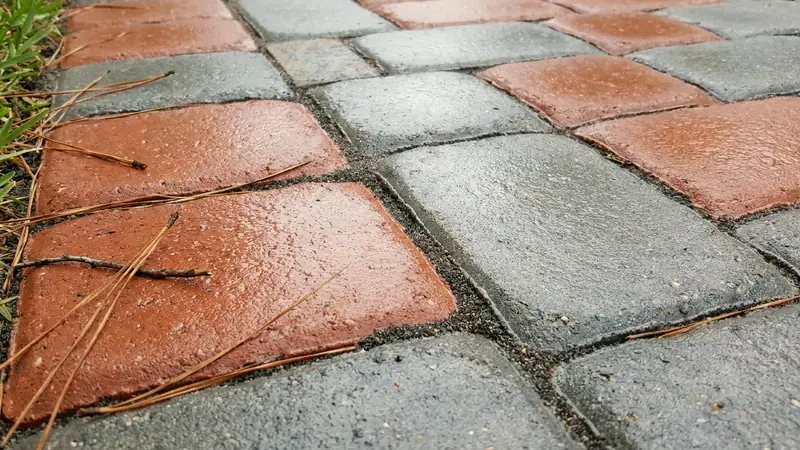
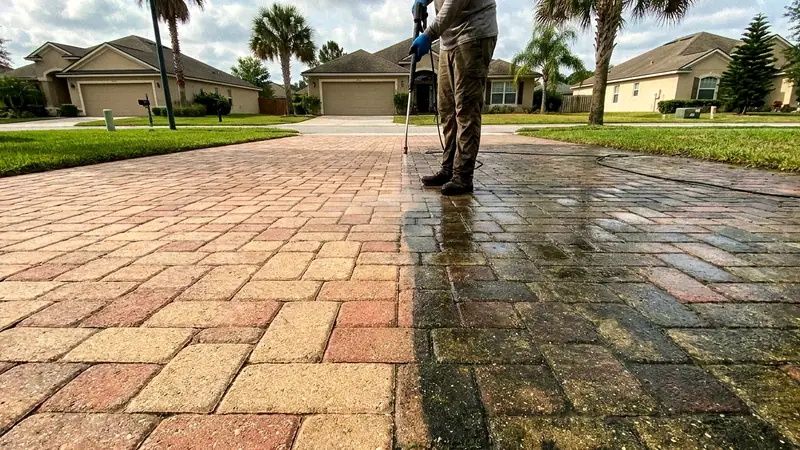
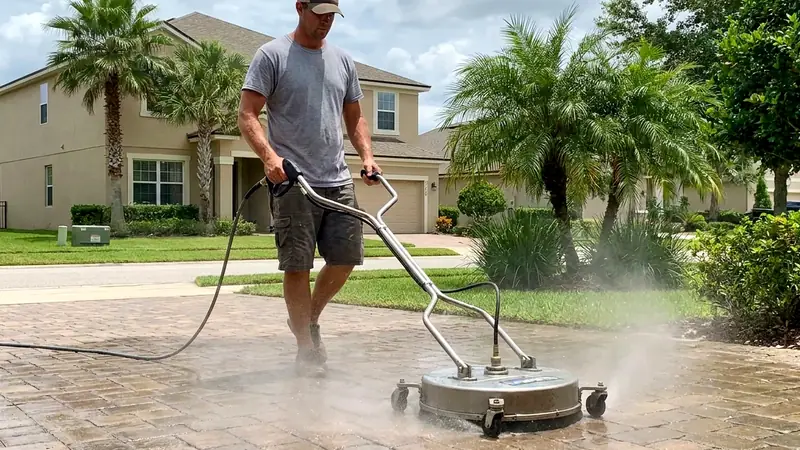
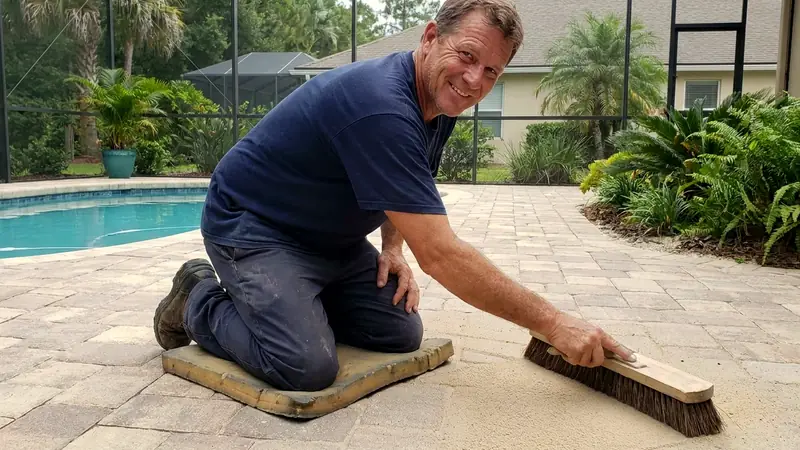
What do sealed pavers look like around Arlington?
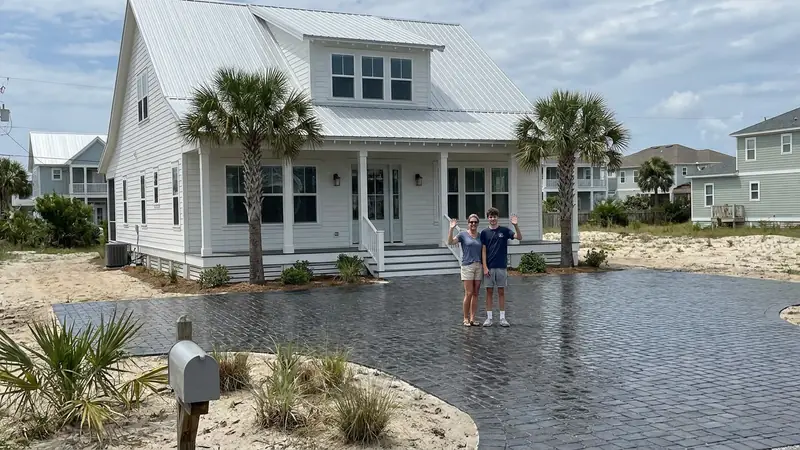
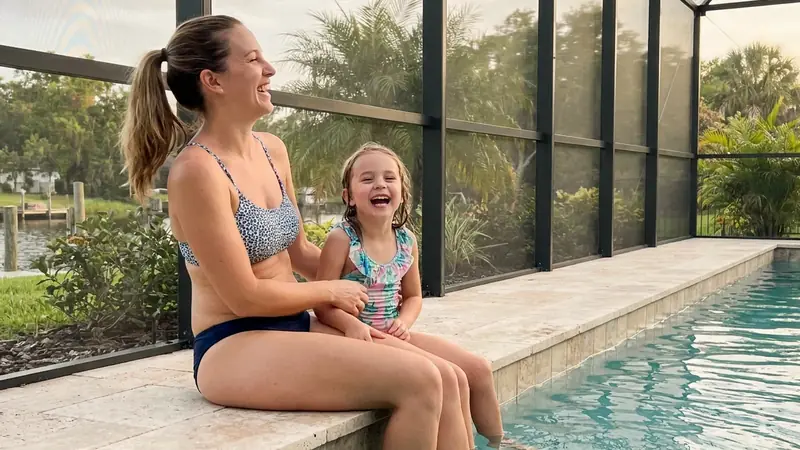
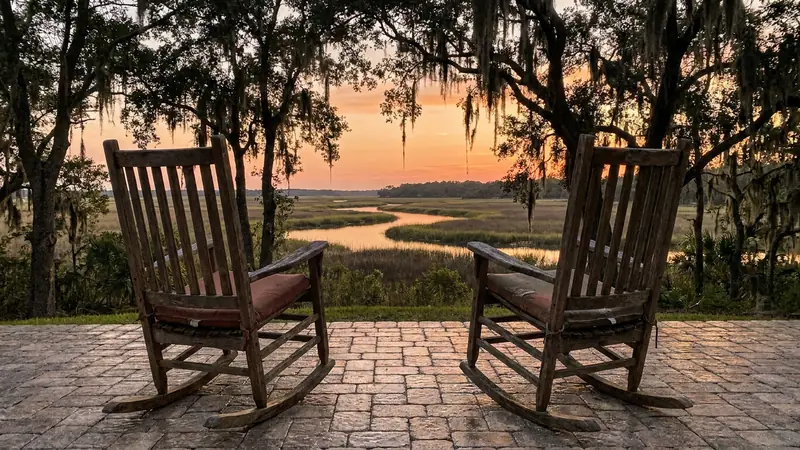
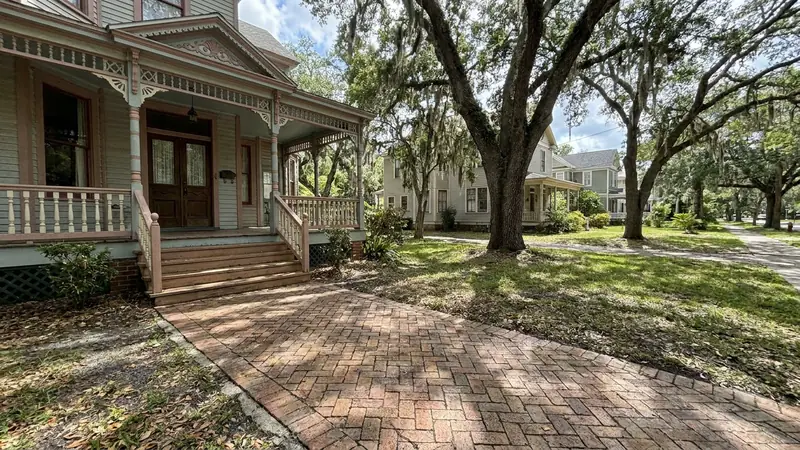
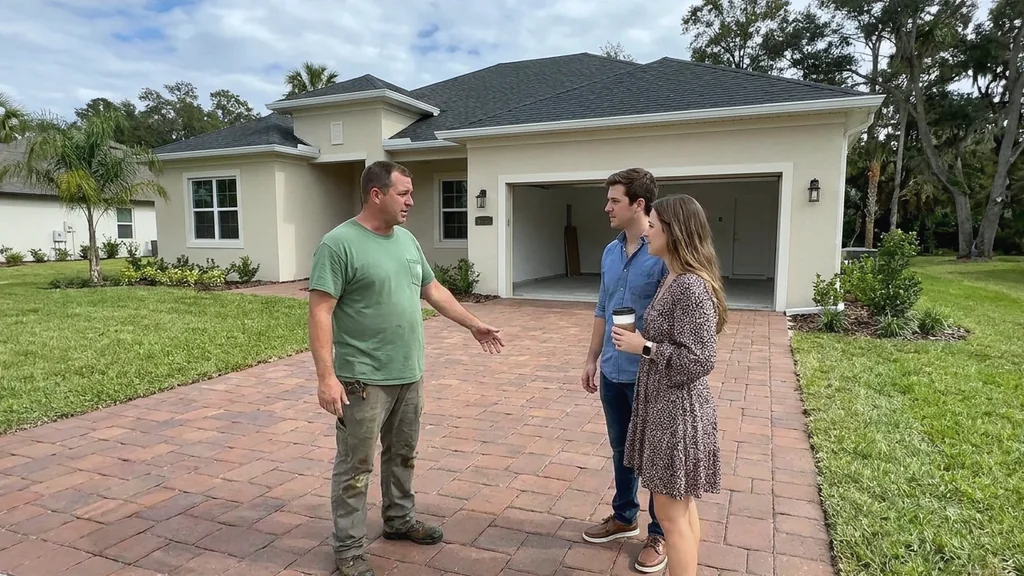
Why local matters in Arlington
A contractor who works Arlington knows that Woodland Acres is hilly and that rain runs hard down those drives. That changes how much sand goes back and where repairs are needed before sealing. A crew that does not know the neighborhood might miss it. To talk with a contractor who knows these hills, call (904) 932-1301.
Creeks are the other local detail. Pottsburg, Strawberry and Silversmith creeks wind through this part of Arlington, and Pottsburg rises and falls quickly with storm runoff. A contractor familiar with the area asks whether water has ever spread toward your pavers. You can get a free estimate online and mention how close your home sits to a creek.
Older homes round out the picture, since Lake Lucina went up in the 1950s and Woodland Acres mostly from 1940 to 1960. Many pavers there sit beside walls much older than the stones themselves. A contractor who sees these houses often goes easy with pressure near the masonry. You can get a free estimate online and mention when your home was built, with no obligation to hire.
Is it worth hiring someone who knows Arlington's older neighborhoods?
Yes, because the history of a street tells a contractor a lot about its pavers. Woodland Acres was laid out in 1910 by Walter Warrington, and he and his wife later gave the land for Warrington Park, finished in 1958. Woodland Acres Elementary went up nearby in 1956. If you live near the park or the school, get a free estimate online and say what needs sealing.
Cesery Park sits at Cesery Boulevard and Columbine Street in Lake Lucina, on land donated in 1961. Tidewater Acres Park on Berry Avenue opened much later, in 2004. Pottsburg Creek meets the Arlington River just north of Atlantic Boulevard and west of Arlington Road. Near any of these Arlington landmarks, call (904) 932-1301 and name your street.
Frequently Asked Questions
What does sealing pavers cost on average in Arlington?
Most Arlington jobs fall between $1.75 and $3.25 per square foot, the range First Coast companies commonly publish to clean, sand and seal. A sloped drive missing sand, heavy shade growth or old sealer to strip pushes the price up. Ask for the measured area so you can compare quotes fairly.
How much does it cost to seal an outdoor patio in Arlington?
A patio is priced the same way as a driveway, per square foot, within the $1.75 to $3.25 range companies here commonly publish. Small patios reached through a gate can take more hand work per foot. Ask whether the patio and the driveway can be done on the same visit.
Is it a good idea to seal pavers in Arlington's sandy yards?
Yes, for most yards it is. Arlington sits on deep sand, and one Jacksonville company says summer rain washes sand out of unsealed joints. Sealing after the sand goes back helps the joints hold, which keeps weeds down and pavers steady.
Is it good to seal pavers on a sloped Woodland Acres lot?
It is, as long as any sunken or shifted pavers are reset first. Rain runs faster down a slope and takes joint sand with it, so the low end often needs the most work. Sealing holds the new sand in place but does not fix drainage, so point out where water runs.
Can pavers near Pottsburg Creek be sealed?
Yes, as soon as they are clean and dry all the way through. Pottsburg Creek rises and falls quickly with storm runoff, so nearby pavers may hold moisture or pick up silt. The contractor will want a dry stretch of weather and a careful wash before sealing.
What if I do not know what sealer is on my Lake Lucina pavers?
The contractor can usually work it out at the first visit. That matters, since a water-based product cannot go on top of a solvent-based one. Keep any old receipts or product names you find, since they can settle the question quickly.
Why did the sealer on my Arlington driveway turn white?
Most often it went onto damp pavers or went on too thick, according to one Jacksonville paver company. Shaded spots and low ends of sloped drives are where that tends to happen. A cloudy coat may need to be stripped before a fresh one goes on.
How long should I stay off newly sealed pavers in Arlington?
Walking is usually fine within a few hours, and cars should wait about a day, according to one Jacksonville company. Cool or damp weather can stretch that. Ask what applies to the product and the weather on your job day.
How often do Arlington pavers need a new coat?
Two to five years between coats is the span companies commonly give. A simple check is to sprinkle water on the pavers: if it beads, the coat still works, and if it soaks in, it is spent. Driveways usually need it sooner than patios.
Will sealing stop weeds in my Arlington paver joints?
Sealing helps a lot, but only after the weeds are pulled and the joints are refilled. Weeds grow where lost sand has widened the gaps and soil has drifted in. Once fresh sand is in and sealed, there is far less room for seeds to take hold.
Can a new paver driveway in Woodland Acres be sealed right away?
Usually not right away. One Jacksonville company suggests waiting 30 to 60 days after installation so any white haze from the pavers can come out first. If your home is one of the newer infill houses, ask the builder or installer when the pavers went down.
Ready for a Free Estimate in Arlington?
Call (904) 932-1301 and tell us about your pavers.
Free, no obligation