
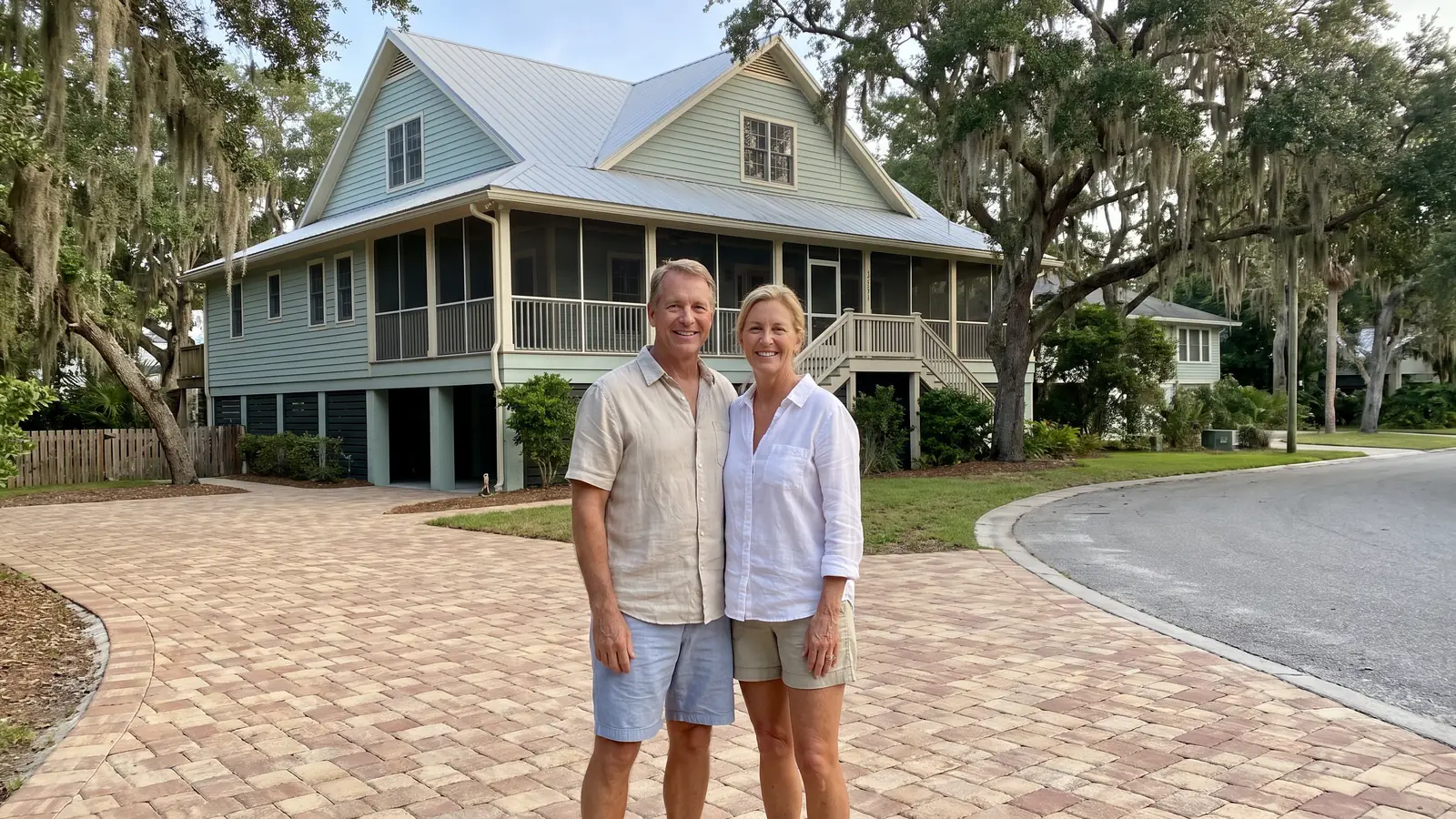
Paver sealing for Panama Park homes
Paver Sealing in Panama Park, FL
Near the Trout River or under old live oaks, Panama Park pavers need care; call (904) 932-1301 for a free look.
- Brings out deeper paver color
- Fresh joint sand helps lock pavers in place
- Gives weeds less room to grow
- Makes the surface easier to keep clean
- Free estimate, no obligation
Request a Free Estimate
Free, no obligation.
Fast, careful paver sealing in Panama Park
Paver sealing is available in Panama Park, from the Trout River waterfront to the blocks near 63rd Street, and the estimate is free. A local contractor does the visit, and once you get a free estimate online, a reply comes within 1 business day, usually much sooner. You are under no obligation to book anything.
Think of a front walk under a big live oak, slick and green on the shady side, with sand gone from half the joints. A good wash, new sand and a fresh coat make the walk look crisp again, edge to edge. A brick or paver patio out back can be done on the same visit. If you would rather talk it over first, call (904) 932-1301 and say what you see.
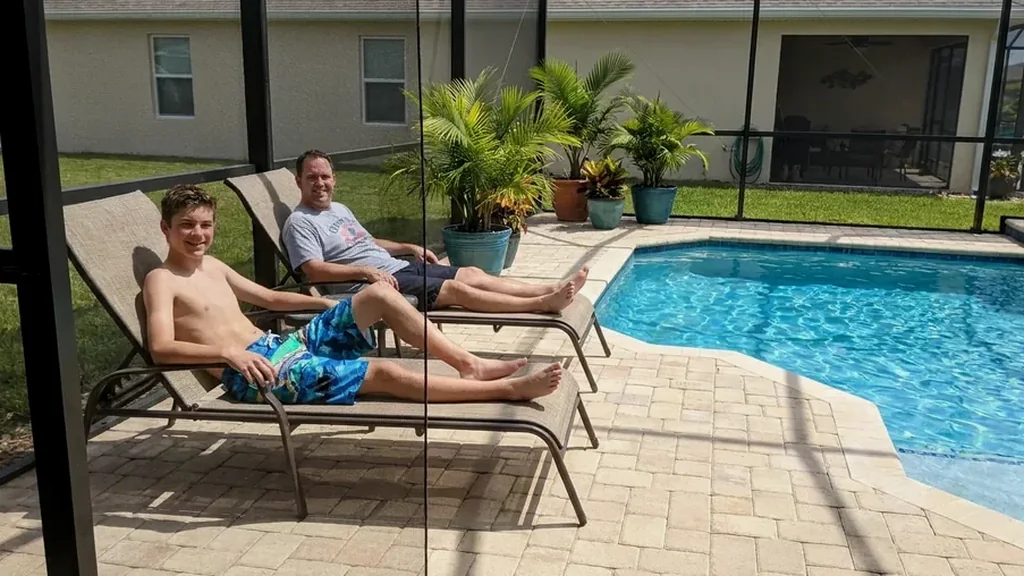
Why hire a local paver sealing contractor in Panama Park?
Panama Park homeowners tend to pick a contractor who understands what river water and old oaks do to pavers. To hear how that applies on your block, get a free estimate online.
A free visit and a clear price
The contractor looks over your Panama Park driveway, walk or patio and gives you a price at no charge for the visit.
A published range to compare
First Coast companies commonly publish $1.75 to $3.25 per square foot to clean, sand and seal. Any bid can be checked against it.
Plans that fit older homes
Brick walls and older trim near the pavers mean rinse water has to be aimed with care, and the contractor plans for that.
You make every decision
You choose the finish, the timing and whether to go ahead at all. A Panama Park estimate carries no obligation.
Get Your Free Estimate in Panama Park
Tell us about your pavers in Panama Park.
Free, no obligation
What paver problems show up most in Panama Park?
River water from the Trout
When Nicole came through in 2022, local news reported that many homes along the Trout River were damaged by flooding. Irma in 2017 pushed the Trout over its banks too, when the St. Johns backed up. Water like that leaves a film of silt on pavers and drags sand from the joints. Sealing over the film would hold it in place. On a Panama Park lot near the river, the wash always comes first.
Green growth under the live oaks
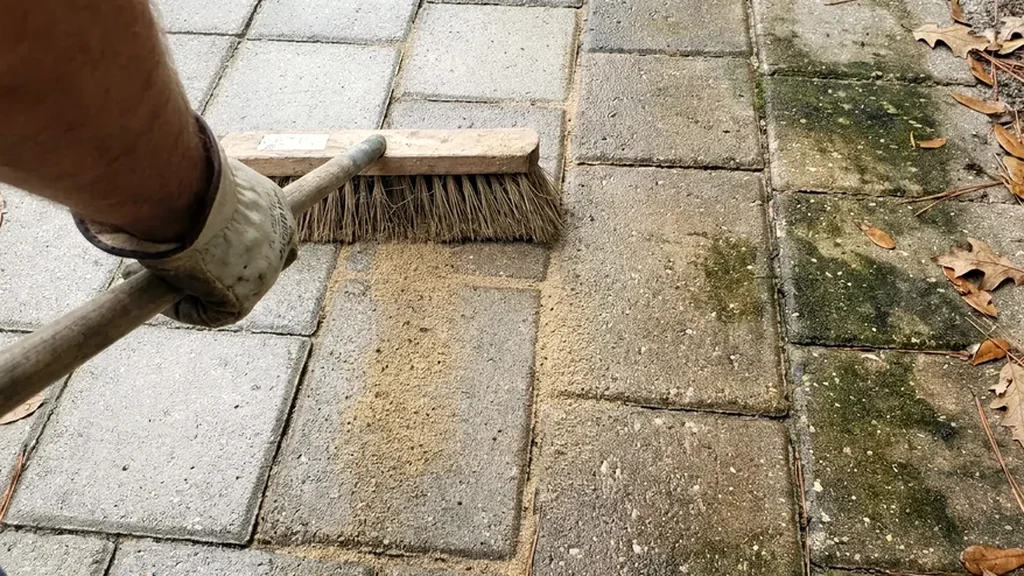
Early sales pitches for Panama Park boasted of more than 8,000 trees, including some fine live oaks. Moss and algae tend to grow on pavers only where shade is heavy and the surface stays damp. A front walk under a broad oak fits that picture. Expect the green to start on the side the sun rarely reaches. It has to be cleaned off fully, or the sealer locks it in. Cleaning takes it off, but the shade that grew it stays, so it can return over the years.
Joints washed out by summer rain
Duval County sits on deep sand, and the USDA describes the local Ortega series as sand that drains fast. Jacksonville also gets about 52 inches of rain a year, mostly in summer storms. When joint sand washes out, the gaps widen and soil settles in. That is where weeds take root. Refilling and sealing the joints helps them hold through the next wet season.
Older walks next to brick homes
Many homes near 44th Street are brick, and lots in Panama Park were selling as early as 1910. Pavers laid beside an older house were often added years later, sometimes by more than one owner. That raises the odds of a mystery sealer on the surface. Water-based sealer cannot go over solvent-based, so the old coat has to be identified before anything new goes on. A coat that is patchy or peeling is a clue that the old product needs attention first.
Iron stains from irrigation wells
Most Florida well water carries a lot of iron, University of Florida experts say, and irrigating with it often leaves orange stains. If your Panama Park yard runs sprinklers off a well, look for rust lines where the spray lands. Those marks need to be treated before sealing, since a coat would trap them. Aiming the heads away from the pavers keeps new streaks from forming.
Does a Panama Park home near the river need different paver care?
Often it does, because the waterfront blocks face high water that streets farther south may never see. Panama Park has miles of frontage on the Trout and St. Johns rivers, and the Trout runs about half a mile wide at Main Street. Homes along the Trout flooded during Nicole, and the river spilled over during Irma too. If your pavers sit close to the river, mention it when you get a free estimate online.
Inland, the story shifts to age and shade. Lots began selling in 1910, the ads promised room for summer bungalows, and many homes near 44th Street are brick. Oakwood Street is known for its well-kept historic houses. Older homes like these call for gentle cleaning near the walls, so call (904) 932-1301 and say what your house is built from.
Around the city park on Buffalo Avenue, between 59th and 60th Streets, homes sit a short walk from the ballfields and splash pad. ZIP 32208, which takes in Panama Park, has about 15,000 housing units, and owners live in a little over half of them. That means plenty of long-held driveways and walks that have seen years of sun and storms. To get a price for yours, get a free estimate online.
What does paver sealing cost in Panama Park?
Companies around the First Coast commonly publish $1.75 to $3.25 per square foot to clean, sand and seal pavers. In Panama Park, heavy green growth under the oaks, river silt and missing joint sand are what push a job toward the top. An old coat that has to be stripped adds work too. For a number that fits your pavers, get a free estimate online, and the estimate is free.
Size and access also move the total. A long driveway with open access is quicker per foot than a narrow side walk between a brick house and a fence. A lot that took floodwater from the Trout may need extra washing before any sand goes back. Call (904) 932-1301 and the contractor can explain which of these apply to you.
| Paved area | Typical example | Clean, sand and seal |
|---|---|---|
| 300 sq ft | Small patio or walkway | $525 to $975 |
| 600 sq ft | Two car driveway | $1,050 to $1,950 |
| 1,000 sq ft | Large driveway or pool deck | $1,750 to $3,250 |
| 1,500 sq ft | Driveway plus pool deck | $2,625 to $4,875 |
Math based on the $1.75 to $3.25 per square foot that Northeast Florida paver companies published as of November 2026. Your contractor sets the actual price after seeing the surface. Repairs, leveling and stripping failed sealer are usually extra.
How does a paver sealing job work in Panama Park?
Look over drainage, roots and the old coat
The contractor walks your Panama Park lot to see where water runs and where it pools. Roots from older trees can lift pavers, and one Jacksonville company says sunken or lifted spots get reset before sealing. The current sealer gets identified too, because a water-based product cannot cover a solvent-based one. Bring up any past flooding, since it changes the cleaning plan.
Clean off growth and river silt
Washing comes next, with extra care on green growth in the shade and any silt from high water. Oil and rust spots are pre-treated at this stage. Rinse water is kept away from brick walls and older wood trim where the pavers meet the house. Plants along the edges are protected as the work moves along. Any leaves and acorns get blown out of the joints before the wash starts.
Refill the joints with fresh sand
The wash pulls sand from the joints, so it has to go back before sealing. On Duval County's fast-draining sand, open joints let soil in and give weeds a place to start. One Jacksonville company refills joints with silica sand and sweeps the surface clean. If sand has been low for years, this step takes longer.
Let shade and rain dry out
Sealer only goes onto a dry surface. Walks under the oaks and patios on the north side of a house dry last, so a careful contractor checks them before starting. One Jacksonville company says most cloudy or white sealer traces back to damp pavers. When a storm rolls in, the date moves rather than risking a bad finish.
Apply the finish and keep off
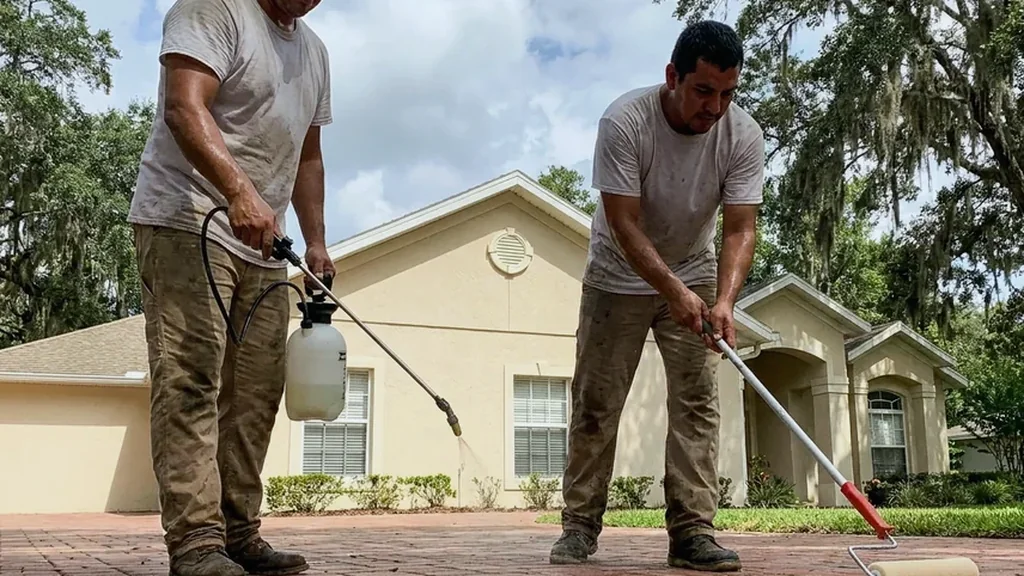
Then the coat goes down in your chosen finish, sprayed first and back-rolled so it reaches into the joints. One Jacksonville company says walking is usually fine within a few hours and cars should wait about a day. Sprinklers that hit the pavers should stay off until the contractor gives the all-clear. Ask how many years your shade and river exposure should give you. Pets and bikes should stay off the fresh coat as well.
Complete paver services in Panama Park
A Panama Park job follows a fixed order: clean, re-sand, dry and seal. The cleaning takes off oak grime, green growth and any silt the river left behind. New sand fills the joints the wash empties, and the sealer goes on last, over a dry surface. To ask how long each step would take at your home, call (904) 932-1301.
Driveways that open onto busy streets near Main Street pick up tire marks and road grit. Front walks under the oaks stay shaded and go green first. Back patios beside brick walls need careful rinsing so water does not soak into the masonry. Tell the contractor which of these you have when you get a free estimate online.
Sealer choice starts with what is already on the pavers, since water-based cannot go over solvent-based. After that, it is matte or wet look. A wet look deepens the color but shows scuffs sooner on a driveway, while matte keeps a quieter look beside an older brick home. Call (904) 932-1301 to talk it through for your Panama Park house.
Most of the rain here falls from May to September, often in quick, heavy storms. Shaded walks under the oaks can stay damp for a day or more after a storm, and sealer needs a dry surface. November through April tends to be the drier stretch, which can make scheduling easier. To pick a date that fits, get a free estimate online.
Questions to ask before you hire
- Do you offer a shiny finish and one that keeps the pavers looking natural?
- This close to the ocean, when do you think the pavers will need sealing again?
- Before the job starts, can I have a copy of your insurance and the license number this work needs?
- Will you clean out the old joints and fill them with fresh sand first?
- When do you collect payment, and do you need anything to hold my date?
- What happens if an afternoon storm rolls in while the sealer is still wet?
- Can you tell me the name of the sealer you use and why it suits pavers like mine?
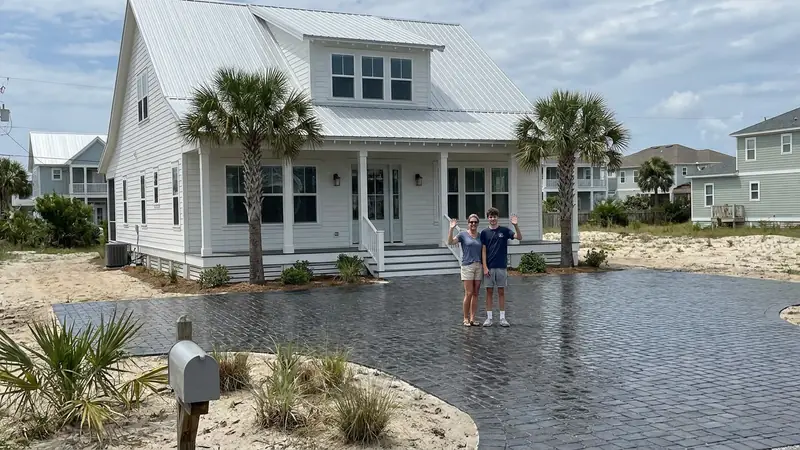
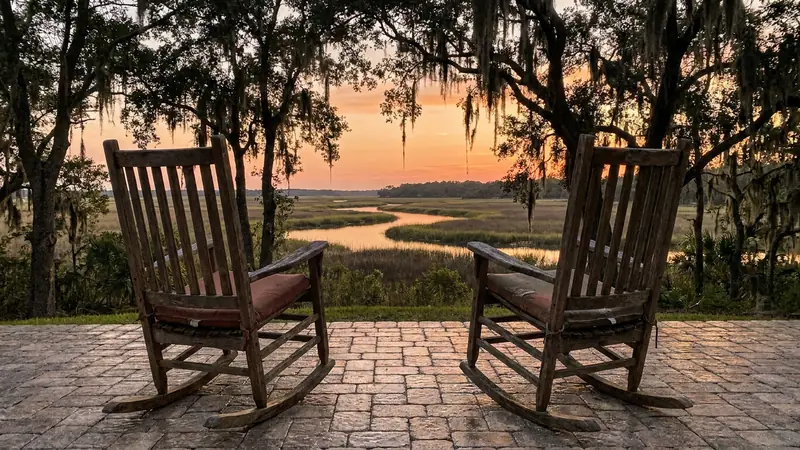
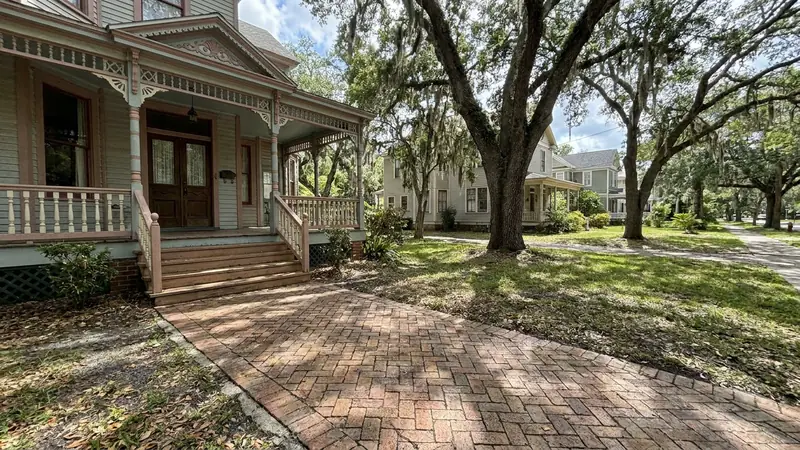
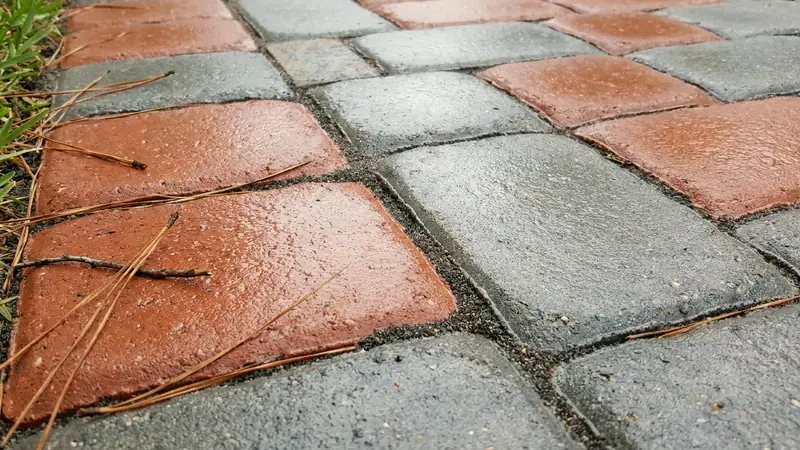
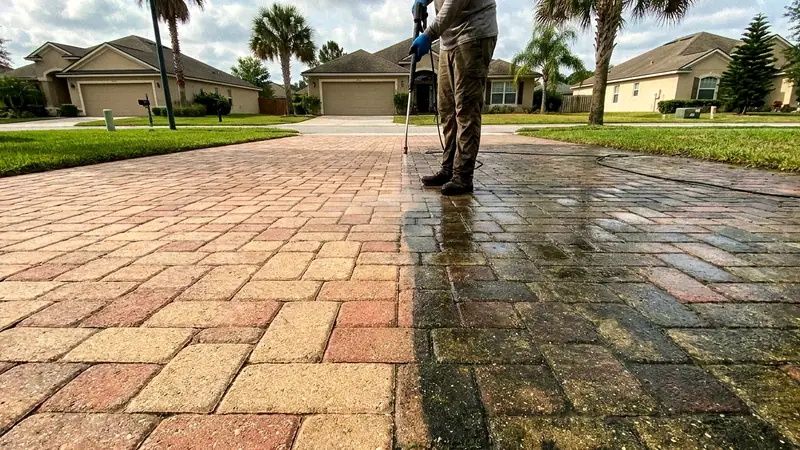
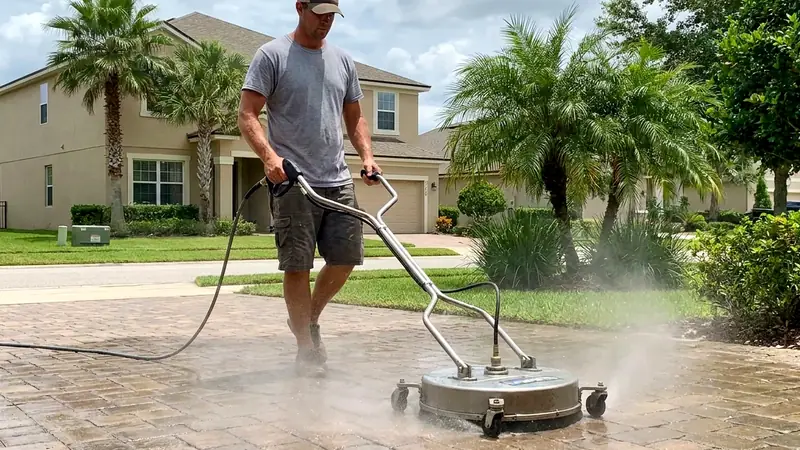
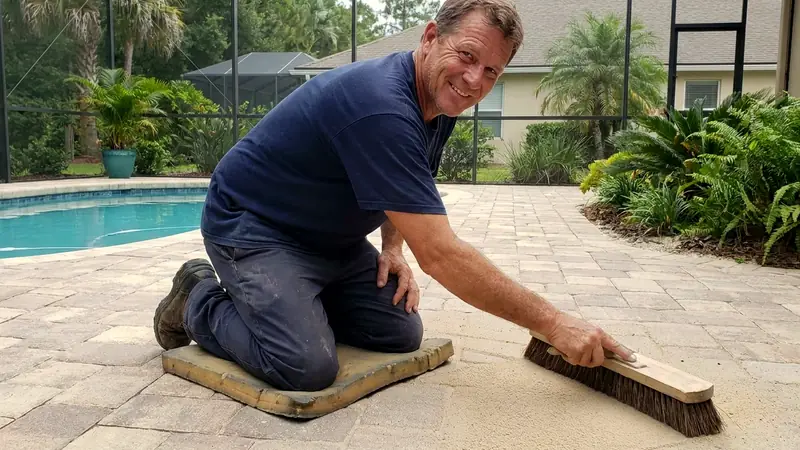
What do sealed pavers look like around Panama Park?
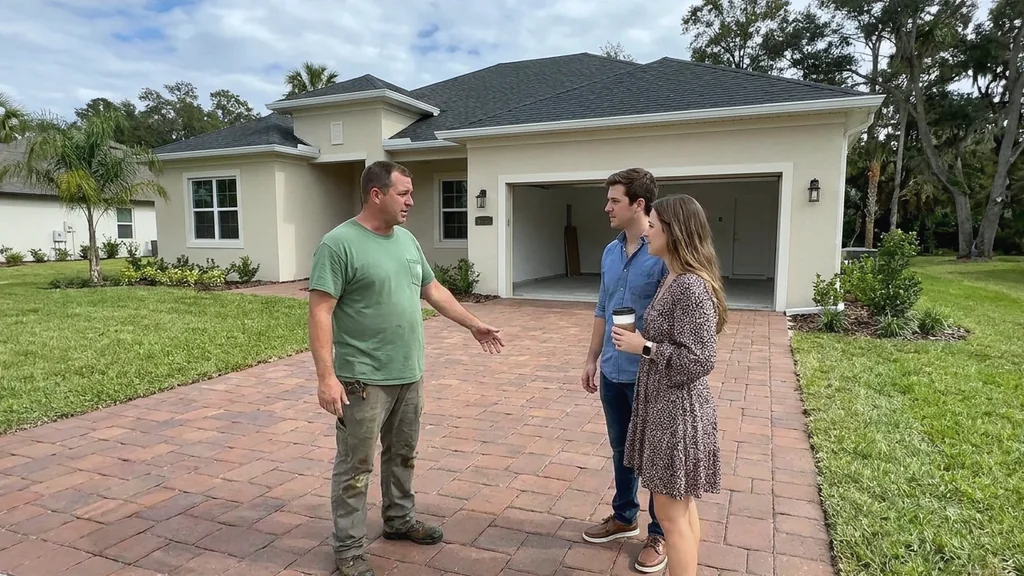
Why local matters in Panama Park
A contractor who knows Panama Park will ask whether your street took water from the Trout River during Irma or Nicole. That question decides how much cleaning comes before any sealer. A crew from across town might not know to ask it. To reach a contractor who works this part of the Northside, call (904) 932-1301.
Local knowledge also helps with shade. Panama Park was sold to early buyers on its trees, including some fine live oaks. A contractor used to older, shaded neighborhoods expects green growth on walks and plans drying time around it. You can get a free estimate online and ask how a job under heavy shade gets scheduled.
Older homes add another layer. Brick houses near 44th Street and the historic homes on Oakwood Street call for gentle cleaning close to the walls. A contractor who sees these homes often knows to keep rinse water and cleaner off older masonry. If that sounds like your house, get a free estimate online and mention when it was built, with no obligation to hire.
Does it help to hire someone who knows Panama Park's history?
Yes, because a neighborhood this old tends to have older trees, older walls and more than one round of work on its pavers. Panama Park was first platted in 1879, and a year later the Fernandina and Jacksonville Railroad put a depot here on its line from Yulee. Culver Elementary followed in 1916, with towers topped by terracotta eagles. If you live near the school and your walk needs work, get a free estimate online.
North Main Street still has long-time spots like Trout River Seafood and Joseph's Pizza, which opened in 1956. Along the river, the working waterfront holds marinas and seafood markets, and a crab plant set up on the Trout in 1934. The city park on Buffalo Avenue dates to a ten-acre purchase in 1929. Near any of these Panama Park landmarks, call (904) 932-1301 and name your street.
Frequently Asked Questions
Why does paver sealing in Panama Park cost what it does?
The price covers three jobs, not one: a deep wash, new joint sand and the sealer itself. First Coast companies commonly publish $1.75 to $3.25 per square foot for that work. Heavy shade growth, river silt or an old coat to strip can push a Panama Park job higher.
How much does it cost to clean and seal pavers in Panama Park?
Expect $1.75 to $3.25 per square foot, the range First Coast companies commonly publish to clean, sand and seal. A clean, open driveway usually lands lower than a shaded walk full of green growth. Ask for the measured square footage in writing so you can compare bids.
How long does sealer last on Panama Park pavers?
The usual quote is two to five years from one coat to the next. One Jacksonville company says film-forming sealers are redone every 3 to 5 years here and penetrating ones last about 5 to 7. Heavy shade, tires and flood exposure push a Panama Park surface toward the short end.
Which sealer suits brick pavers at a Panama Park home?
The right sealer depends first on what is already on the brick, since water-based cannot go over solvent-based. After that it comes down to matte or wet look. Matte keeps a softer look next to an older brick house, and a wet look deepens color but shows scuffs sooner.
Is there a pressure washing business near Panama Park that also seals pavers?
Yes, local contractors who clean and seal pavers work across Jacksonville's Northside, including Panama Park. For sealing, the wash is only the first step, followed by new joint sand and a dry-surface coat. Ask any company you call to quote all three steps together.
Can pavers that sat in Trout River floodwater be sealed?
Yes, after a deep wash, fresh joint sand and a full drying out. River water leaves silt behind and pulls sand from the joints, so cleaning takes longer than usual. Point out the high-water line at the first visit so the contractor knows where to look.
Does the type of house in Panama Park change the sealing job?
It can, mostly in how the cleaning is done. Many homes near 44th Street are brick, and older masonry calls for care with pressure and cleaner. Tell the contractor what your house is built from so the wash can be adjusted near the walls.
Do big live oaks change how Panama Park pavers are sealed?
They change the cleaning and the timing more than the sealer. Shade keeps pavers damp, which is where moss and algae grow, so the wash has to remove all of it. Shaded spots also dry last, and sealer should only go on a dry surface.
How long should cars stay off sealed pavers in Panama Park?
Plan on about a day for cars, the time one Jacksonville paver company gives. Walking is usually fine within a few hours. Cool, damp weather under the oaks can slow things down, so ask what applies on your job day.
Will sealing fix pavers that roots have lifted?
No, sealing holds the surface in whatever shape it is in. One Jacksonville company resets sunken or lifted spots before any sealer goes on. If an oak root has pushed up part of your Panama Park walk, point it out at the first visit.
Ready for a Free Estimate in Panama Park?
Call (904) 932-1301 and tell us about your pavers.
Free, no obligation