
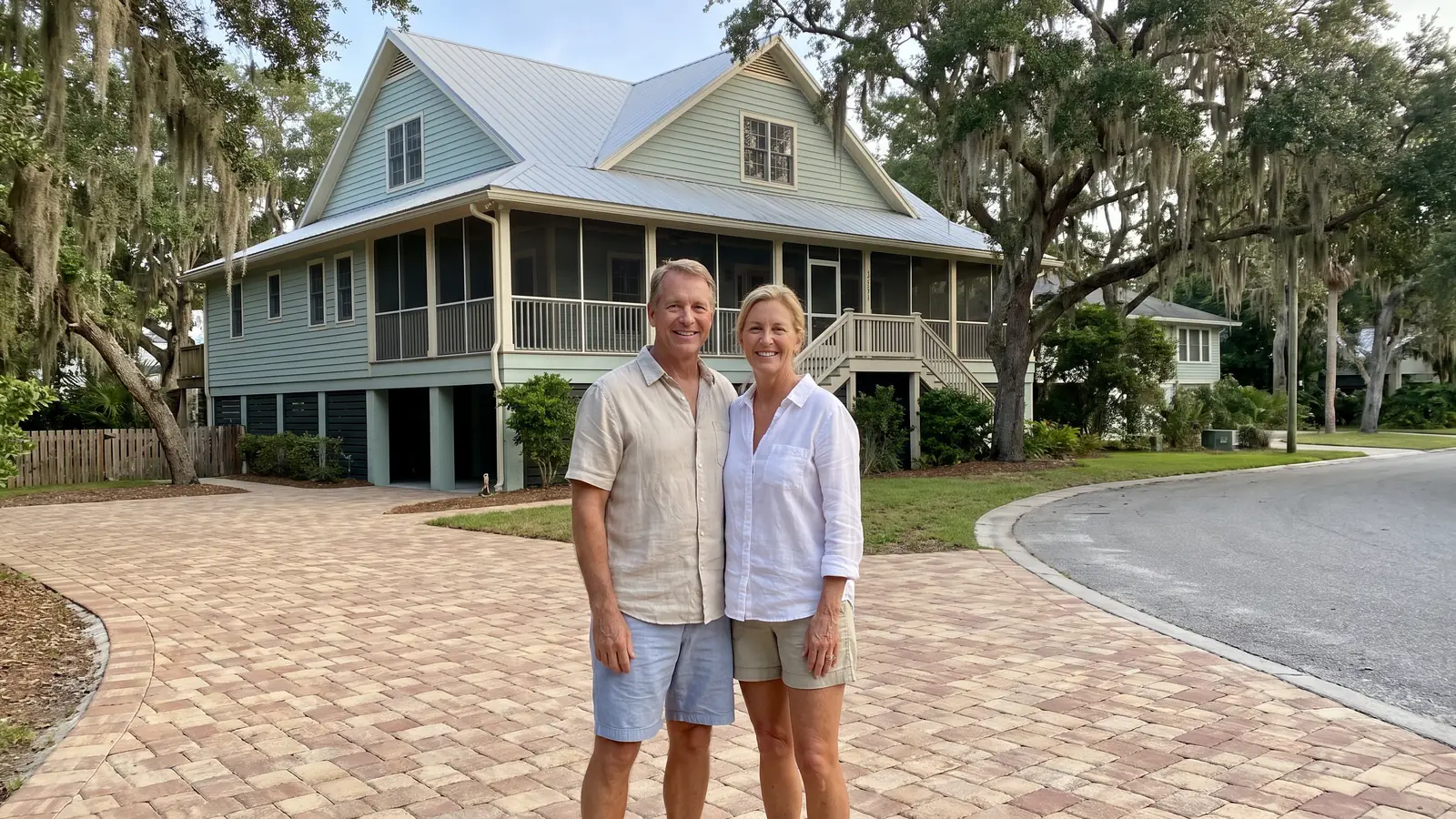
Paver sealing for Atlantic Beach homes
Paver Sealing in Atlantic Beach, FL
If floodwater from Hopkins Creek has reached your Atlantic Beach driveway, call (904) 932-1301 to have the pavers cleaned and sealed.
- Brings out deeper paver color
- Fresh joint sand helps lock pavers in place
- Gives weeds less room to grow
- Makes the surface easier to keep clean
- Free estimate, no obligation
Request a Free Estimate
Free, no obligation.
Fast, careful paver sealing in Atlantic Beach
Paver sealing in Atlantic Beach starts with a free estimate from a local contractor, for driveways, walkways and pool decks anywhere in ZIP 32233. When you get a free estimate online, the contractor gets back to you within 1 business day, usually much sooner. There is no obligation, so you can hold the number up against any other bid.
Maybe your house in Royal Palms has a paver drive gone gray and blotchy, with a dark band where storm water sat last summer. Weeds poke up along the edge, and the joints look half empty. After a wash, fresh joint sand and a new coat, the same pavers show one even color from the curb to the garage. To describe what you are seeing before anyone visits, call (904) 932-1301.
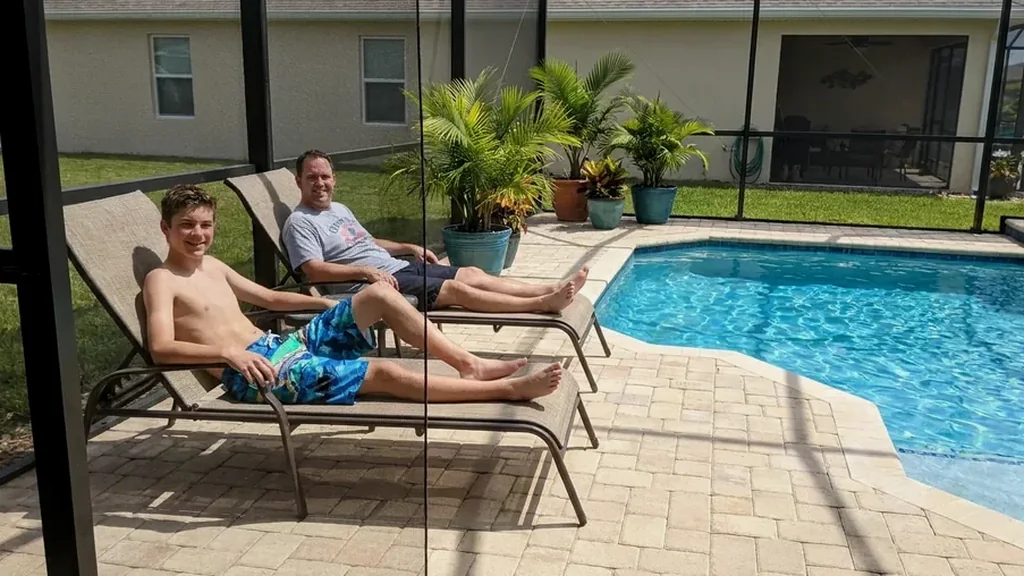
Why hire a local paver sealing contractor in Atlantic Beach?
Atlantic Beach homeowners tend to want a contractor who already knows which streets hold water and how salt treats a finish. To hear how that applies to your pavers, get a free estimate online.
A free look at your pavers
The contractor checks your Atlantic Beach driveway, walkway or pool deck and gives you a price, with no charge for the visit.
A range you can check
First Coast companies commonly publish $1.75 to $3.25 per square foot to clean, sand and seal. Use that range to judge any bid.
Flood history taken into account
Streets near Hopkins Creek and Sherman Creek can hold water, so the plan allows for extra washing, drying time and lost sand.
Your call on every step
You pick the finish, the date and whether to go ahead at all. There is no obligation if you decide to wait.
Get Your Free Estimate in Atlantic Beach
Tell us about your pavers in Atlantic Beach.
Free, no obligation
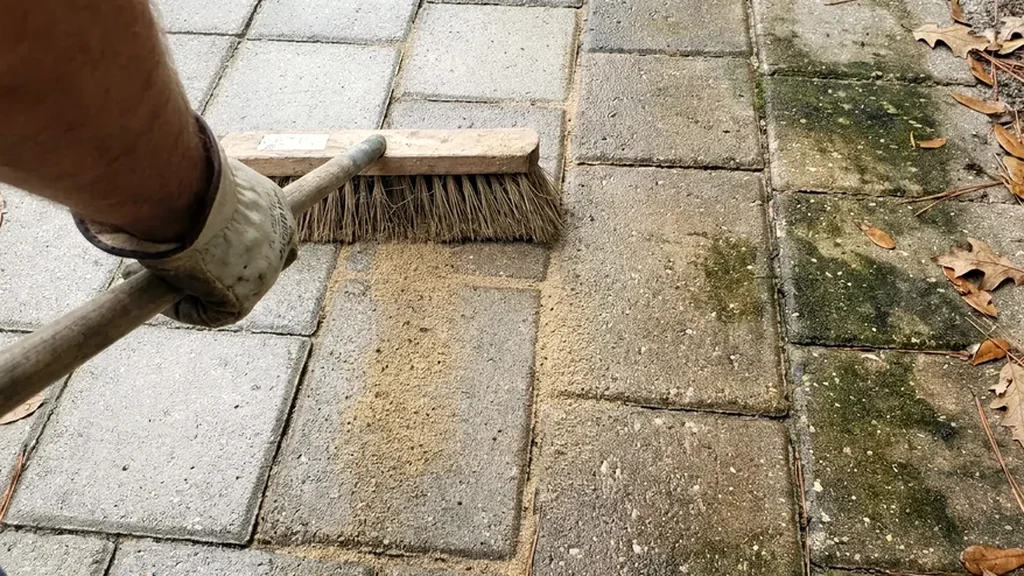
What paver problems show up most in Atlantic Beach?
Floodwater along Hopkins Creek
The city says Aquatic Gardens has seen significant and repeated flooding, and its drainage project also covers the Cavalla and Skate Road streets. Water that crosses a driveway leaves a thin layer of silt and pulls sand out of the joints. Sealing over that layer would trap it for years. Pavers on these Atlantic Beach streets need a full wash before anything else happens. If the water reached your garage door, point out the high-water line at the first visit.
Damp pavers near Sherman Creek
The city's planner has said sunny-day flooding is expected along Sherman Creek, which runs right through City Hall. Low pavers near a creek stay damp long after the sky clears. One Jacksonville company says nearly every coat that turns white went onto damp pavers. That makes drying time the part of an Atlantic Beach job you cannot rush. Shaded pavers on the north side of a house are often the last to dry.
Salt riding in on the breeze
Nearly three quarters of Atlantic Beach is water, so no street sits far from salt. University of Florida experts say people within a couple of miles of salt water often see salt spray damage on plants. Nicolock adds that salt crystals left on pavers may wear softer surfaces over time. A wash that lifts the salt film comes before any sealer goes down. Nicolock adds that rinsing matters more the closer a home sits to the shoreline.
Joint sand that leaves every summer
Jacksonville averages about 52 inches of rain a year, and the bulk of it comes between May and September as quick, hard storms. One local paver company says that rain washes sand out of joints that were never sealed. Once the joints open up, soil drifts in and weeds follow. Pavers that lose their sand can also start to shift under tires. Sealing after the sand goes back helps hold the joints together through the next storm season.
A coat nobody can name
Royal Palms homes date back to 1960, so the pavers out front may carry sealer from an earlier owner. Water-based sealer cannot go over solvent-based sealer, so the old product has to be identified first. One Jacksonville company also says changing the finish later means stripping the old coat. A patchy or peeling surface is a sign that work comes first. An old receipt or a can label in the garage can answer that question in a minute.
Do pavers in Royal Palms and Aquatic Gardens need different care?
They often do, because one area is mostly about age and the other is mostly about water. Royal Palms has 186 homes on the 2025 state tax roll, built from 1960 on, with a median year of 1971. Most are single-family houses of about 1,200 square feet, and no homeowners association is on record. Say you live in Royal Palms when you get a free estimate online, so the contractor knows what to expect.
Aquatic Gardens and the Cavalla and Skate Road streets sit along the Hopkins Creek drainage, where the city reports repeated flooding. A drainage project paid for with state and FEMA grants was built to handle a 25-year storm. The city also notes that its flood maps did not change, so those pavers may still see high water. Call (904) 932-1301 and say how close your driveway sits to the creek or the pond.
The rest of Atlantic Beach shares one fact: water is never far off. About 9.5 of the city's 13 square miles are water, with the ocean on the east and the Intracoastal Waterway on the west. That makes salt film part of almost every cleaning here, not only on oceanfront lots. To ask how a contractor handles it on your street, get a free estimate online.
What does paver sealing cost in Atlantic Beach?
Companies across the First Coast commonly publish $1.75 to $3.25 per square foot to clean, sand and seal pavers. Where an Atlantic Beach job lands depends on its size, the silt or salt film, and how much sand is missing. Old sealer that has to come off adds work. For a number based on your actual pavers, get a free estimate online, and the estimate is free.
Access and water history matter too. A small courtyard beside a 1,200 square foot house can take more hand work per foot than an open driveway. Pavers that sat in floodwater near Hopkins Creek may need a longer wash before any sand goes back. Call (904) 932-1301 and the contractor can tell you which of these apply to your home.
| Paved area | Typical example | Clean, sand and seal |
|---|---|---|
| 300 sq ft | Small patio or walkway | $525 to $975 |
| 600 sq ft | Two car driveway | $1,050 to $1,950 |
| 1,000 sq ft | Large driveway or pool deck | $1,750 to $3,250 |
| 1,500 sq ft | Driveway plus pool deck | $2,625 to $4,875 |
Math based on the $1.75 to $3.25 per square foot that Northeast Florida paver companies published as of November 2026. Your contractor sets the actual price after seeing the surface. Repairs, leveling and stripping failed sealer are usually extra.
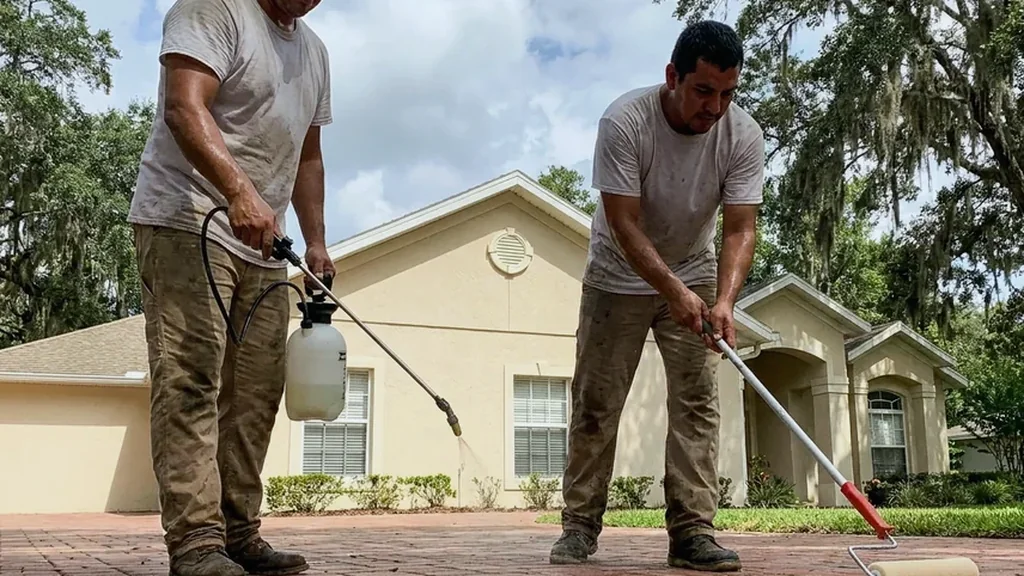
How does a paver sealing job work in Atlantic Beach?
Check where water sits and what coat is on
The contractor walks your Atlantic Beach lot to see where water drains and where it pools after rain. Sunken or lifted pavers get reset first, since one Jacksonville company says sealing locks in whatever is there. The old sealer gets identified too, because a water-based product cannot cover a solvent-based one. Any spot where the edge restraint has slipped gets noted as well.
Wash off salt, silt and growth
Cleaning takes off salt film, silt from past high water and any green growth in shady corners. Oil and rust spots get treated at this stage, before anything is sealed over them. Rinse water is kept off plants and away from siding where the pavers meet the house. On Atlantic Beach lots with recent flooding, this step may take a second pass.
Put sand back in every joint
Washing pulls joint sand out, so new sand goes back before sealing. Open joints let soil and weeds in, and summer storms take a little more sand each year. The joints are filled and the surface is swept clean, so no loose grains end up under the coat. Colored joint sand is sometimes offered if you want the lines to stand out.
Give the pavers time to dry
Sealer needs a dry surface, and one Jacksonville company says most coats that turn white went onto damp pavers or went on too thick. Low lots near Sherman Creek and Hopkins Creek can take longer to dry after a storm. A careful contractor checks the forecast and the pavers before opening a pail. If rain moves in, the date moves with it rather than risking a cloudy finish.
Seal it and keep cars off
The sealer goes on in the finish you picked, usually sprayed and then back-rolled into the joints. Walking is often fine within a few hours, and one local company says cars should stay off about a day. Ask how long your coat should last this close to salt water. Keep sprinklers off the pavers until the contractor says the coat has cured.
Complete paver services in Atlantic Beach
An Atlantic Beach sealing job runs in four stages: wash, re-sand, dry and seal. The wash lifts salt film, silt and green growth, and new sand refills the joints the rinse empties. Sealer goes on only after the pavers are dry all the way through. Call (904) 932-1301 to ask how long each stage would take on your lot.
Front driveways take daily tires and the sand that comes home from the beach on shoes and car mats. Pool decks get splashed, and one Jacksonville company calls matte the safest finish near a pool. Walkways in shade stay damp and tend to go green first. List every surface you want done when you get a free estimate online.
Sealer comes down to two questions: water-based or solvent-based, and matte or wet look. Water-based cannot go over solvent-based, so the coat already on your pavers answers the first one. A wet look deepens the color but shows scuffs sooner on a busy drive. To talk through which suits your Atlantic Beach home, call (904) 932-1301.
Rain in the Jacksonville area falls mostly from May to September, often in short, hard storms. An Atlantic Beach sealing date can slide when the pavers have not dried out, and low streets near the creeks dry last. November through April is the drier stretch of the year. To find a window that suits your street, get a free estimate online.
Questions to ask before you hire
- Is the price you quoted for the whole job, with the washing and sand, or are those extra?
- How long do cars and foot traffic need to stay off the pavers?
- Will you clean out the old joints and fill them with fresh sand first?
- Do you offer a shiny finish and one that keeps the pavers looking natural?
- Once the job is done, how should I reach you with a question?
- Can you tell me the name of the sealer you use and why it suits pavers like mine?
- If some spots dry white or cloudy, will you come back and correct them?
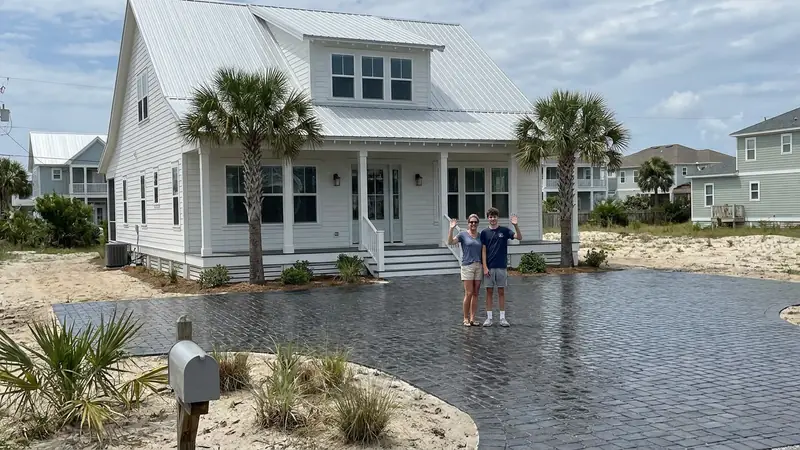
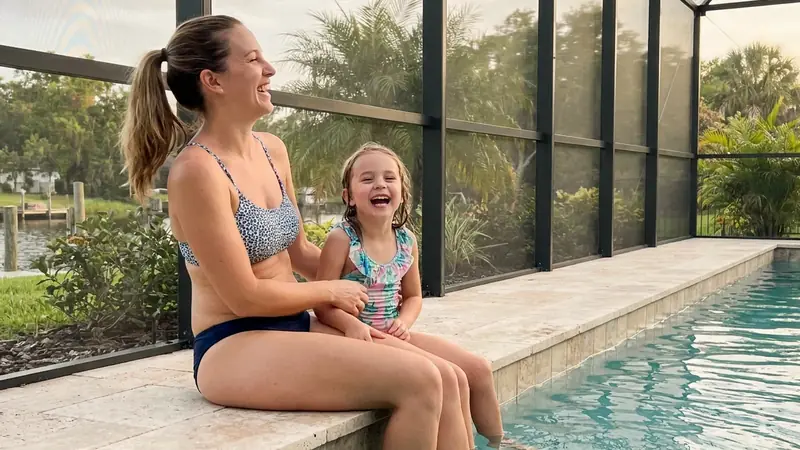
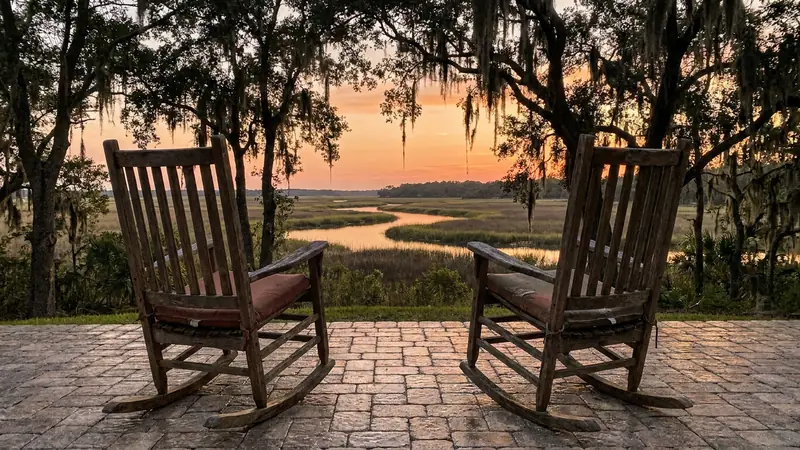
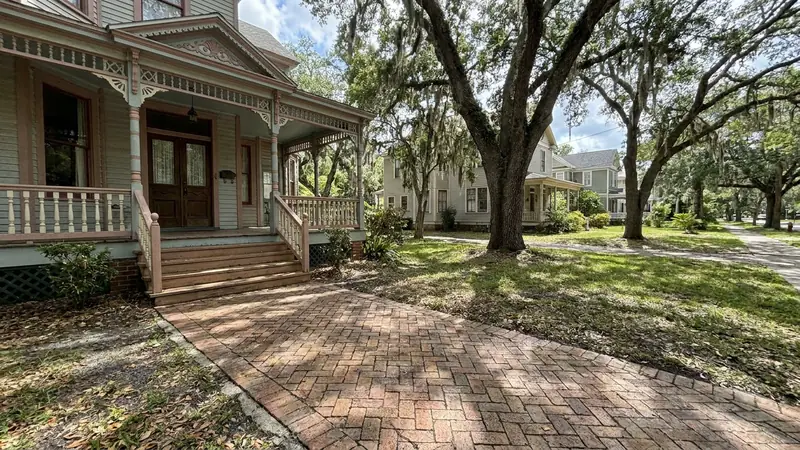
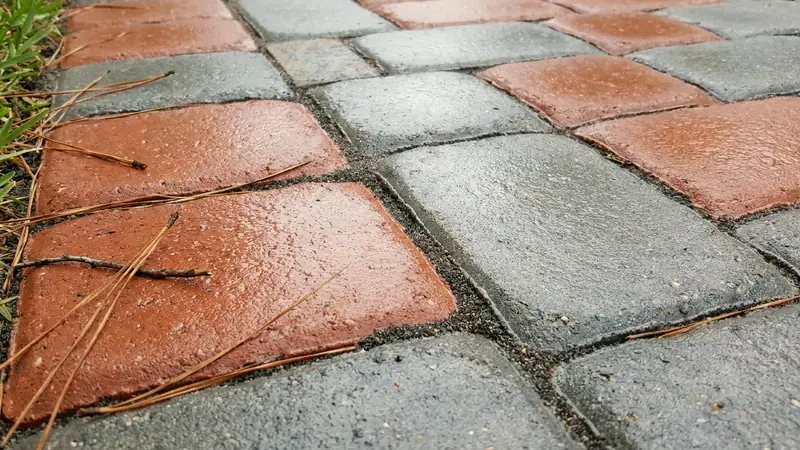
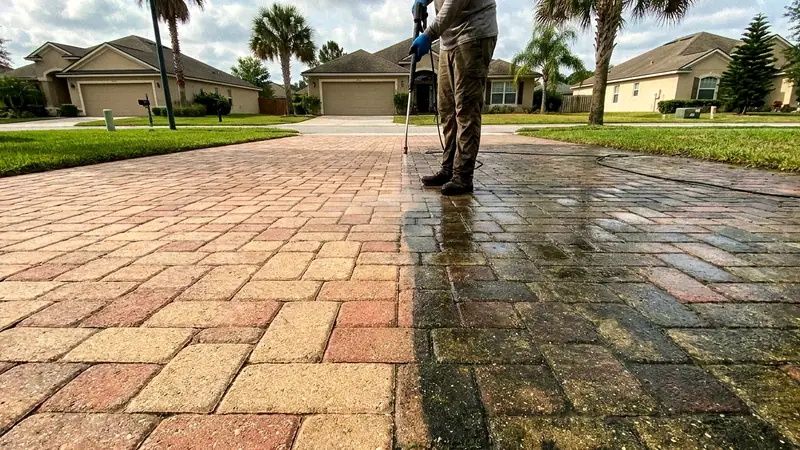
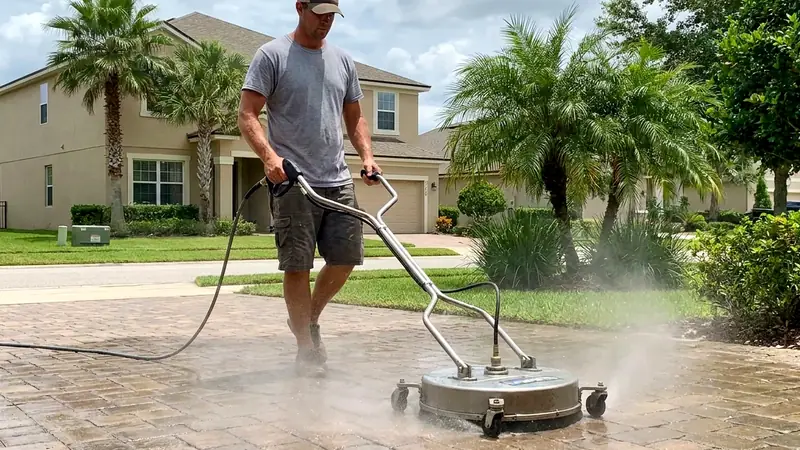
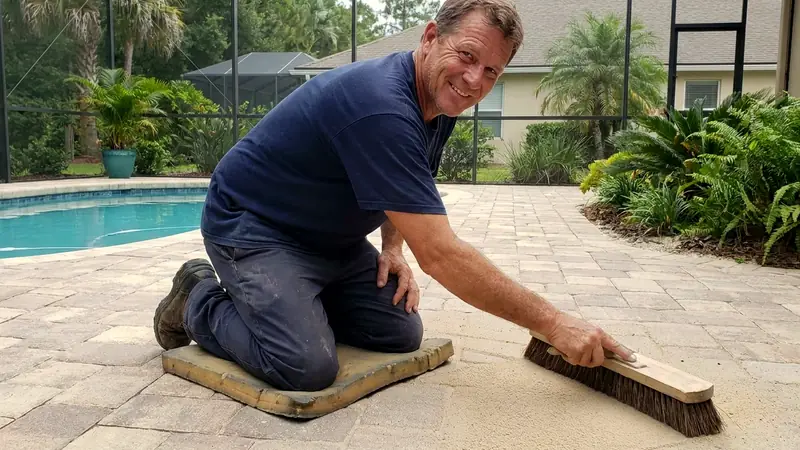
What do sealed pavers look like around Atlantic Beach?
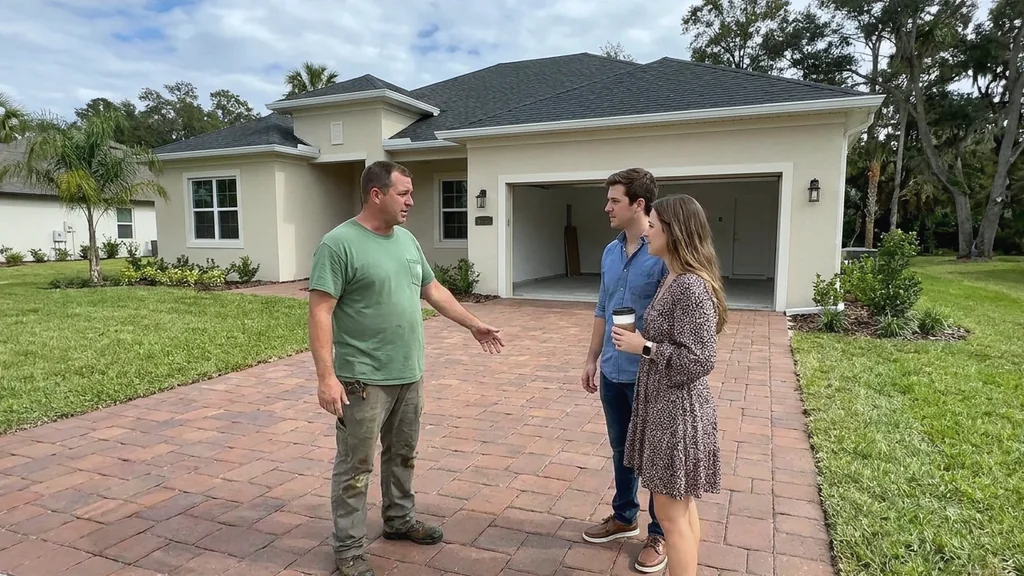
Why local matters in Atlantic Beach
A contractor who works Atlantic Beach will ask whether your street took water from Hopkins Creek or Sherman Creek. That answer changes how long the wash runs and when the pavers will be dry enough to seal. A crew based well inland may never think of it. For a contractor who already works these beach streets, call (904) 932-1301.
Local know-how helps with salt as well. Atlantic Beach has the ocean on one side and the Intracoastal Waterway along its western edge. A contractor used to that setting plans for salt film in the wash and talks through the finish with you. You can get a free estimate online and ask how often coastal pavers here tend to need a new coat.
The city plans ahead for water too, and its planners have mapped where sunny-day flooding is likely. A contractor who keeps up with that knows which low driveways may stay damp after high tides or storms. If your pavers sit low, get a free estimate online and mention it, with no obligation to hire anyone. A quick note about past flooding helps the contractor plan the visit.
Does it help to hire someone who knows how Atlantic Beach grew?
Yes, because the age of a neighborhood hints at what is on and under its pavers. The town was incorporated in 1926, and growth picked up after Mayport Naval Station opened and the Mathews Bridge was built. Royal Palms followed with homes from 1960 onward. If your house dates from that era, get a free estimate online and mention the year it was built.
City Hall sits right on Sherman Creek, according to the city's planner. To the west, the Atlantic Village shopping center entrance got new double box culverts during the Hopkins Creek work. The city's sea level study even used tide data from the Mayport Bar Pilot's Dock. Near any of these Atlantic Beach landmarks, call (904) 932-1301 and name your street.
Frequently Asked Questions
How much should I budget to seal pavers in Atlantic Beach?
Budget $1.75 to $3.25 per square foot, the range First Coast companies commonly publish to clean, sand and seal. Flood film, missing sand or old sealer can push an Atlantic Beach job toward the top. Get the square footage on paper so the total is easy to check.
Should my Atlantic Beach pavers be pressure washed first?
Yes, a careful wash comes before any sealer, or the coat traps salt film and silt underneath. The wash also pulls joint sand out, so new sand goes back before sealing. On older pavers, ask what pressure and cleaner the contractor plans to use.
What sealer do professionals put on Atlantic Beach pavers?
Professionals use a water-based or a solvent-based sealer, in a matte or wet look. Whatever is already on the pavers decides, since water-based cannot go over solvent-based. One Jacksonville company says film-forming sealers last about 3 to 5 years here and penetrating ones about 5 to 7.
Do contractors spray or roll sealer on pavers near the ocean?
Most do both, spraying it on and then back-rolling it. One Jacksonville company says the spray gives even coverage and the roller works sealer into the joints without puddles. Near the ocean, the salt film should be washed off before either step.
Can pavers in Aquatic Gardens be sealed after a flood?
Yes, once they are clean, refilled with sand and fully dry. Floodwater leaves silt and pulls sand from the joints, so washing and sanding take longer than usual. The city says its drainage work did not change the flood maps, so plan for future high water too.
How long should cars stay off sealed pavers in Atlantic Beach?
Plan on about a day for cars, the time one Jacksonville company gives. Foot traffic can usually return within a few hours. Damp air after a rain can slow drying, so ask what applies on the day of your job.
Why did the sealer on my Atlantic Beach pavers turn white?
Usually because it went onto damp pavers or went on too thick, according to one Jacksonville paver company. Low lots near the creeks can stay damp longer than they look. The cloudy coat may need to be stripped before a new one goes on.
How often do pavers this close to salt water need a new coat?
A fresh coat every two to five years is what local companies commonly quote. Sprinkle some water on the pavers: if it beads, the coat still works, and if it soaks in, the coat is spent. Salt film and daily tires can push an Atlantic Beach driveway toward the short end.
Can sprinkler water stain pavers in Atlantic Beach?
It can when the water comes from a private irrigation well. University of Florida experts say most Florida well water is high in iron, and orange stains often follow when it is used for irrigation. City tap water here comes from deep Floridan Aquifer wells through four treatment plants. Point out any orange lines so they get treated before sealing.
Will sealing fix pavers that sank near my Atlantic Beach garage?
No, sunken pavers have to be reset before any sealer goes on. One Jacksonville company says sealing locks in whatever is there, dips included. Ask the contractor to lift and relevel low spots first, then seal the whole area in one pass.
Ready for a Free Estimate in Atlantic Beach?
Call (904) 932-1301 and tell us about your pavers.
Free, no obligation